Exploring the Evolution of RPG Games: Why Open World Games Are Redefining Player Experiences
RPG games, or role-playing games, have undergone a significant transformation since their inception. This evolution has been largely influenced by advancements in technology, changing player expectations, and a growing emphasis on immersive storytelling. At the forefront of this transformation are open world games, which allow players to explore vast environments and approach gameplay in more personalized ways. This article delves into how open world design in RPGs is redefining player experiences and what that means for the future of gaming.
The Origins of RPG Games

RPG games trace their roots back to tabletop games in the 1970s, such as Dungeons & Dragons, where players would navigate fantasy worlds guided by a dungeon master. This concept was then transferred to consoles and computers, allowing players to embark on quests and develop characters in immersive environments.
The Rise of Open World Game Design

In the late 1990s and early 2000s, games began to use open world designs, giving players greater freedom to explore. Titles like THE ELDER SCROLLS: Morrowind paved the way for this design philosophy, emphasizing freedom and agency in gameplay.
Characteristics of Open World RPG Games
- Expansive Environments: Players can traverse vast landscapes, from mountains to towns.
- Diverse Quests: Side missions and main story arcs are plentiful, offering varied experiences.
- Player Choice: Decisions impact gameplay, leading to unique narratives.
The Player Experience Reimagined

Open world RPGs redefine how players interact with the game world. Rather than following a linear path, players can explore at their own pace, leading to personalized experiences that cater to individual play styles.
Technological Innovations Enhancing RPGs

With the advent of high-definition graphics, physics engines, and artificial intelligence, the RPG landscape has changed dramatically. These technologies enable developers to create more lifelike worlds and complex narratives.
Community and Social Interaction in RPG Games
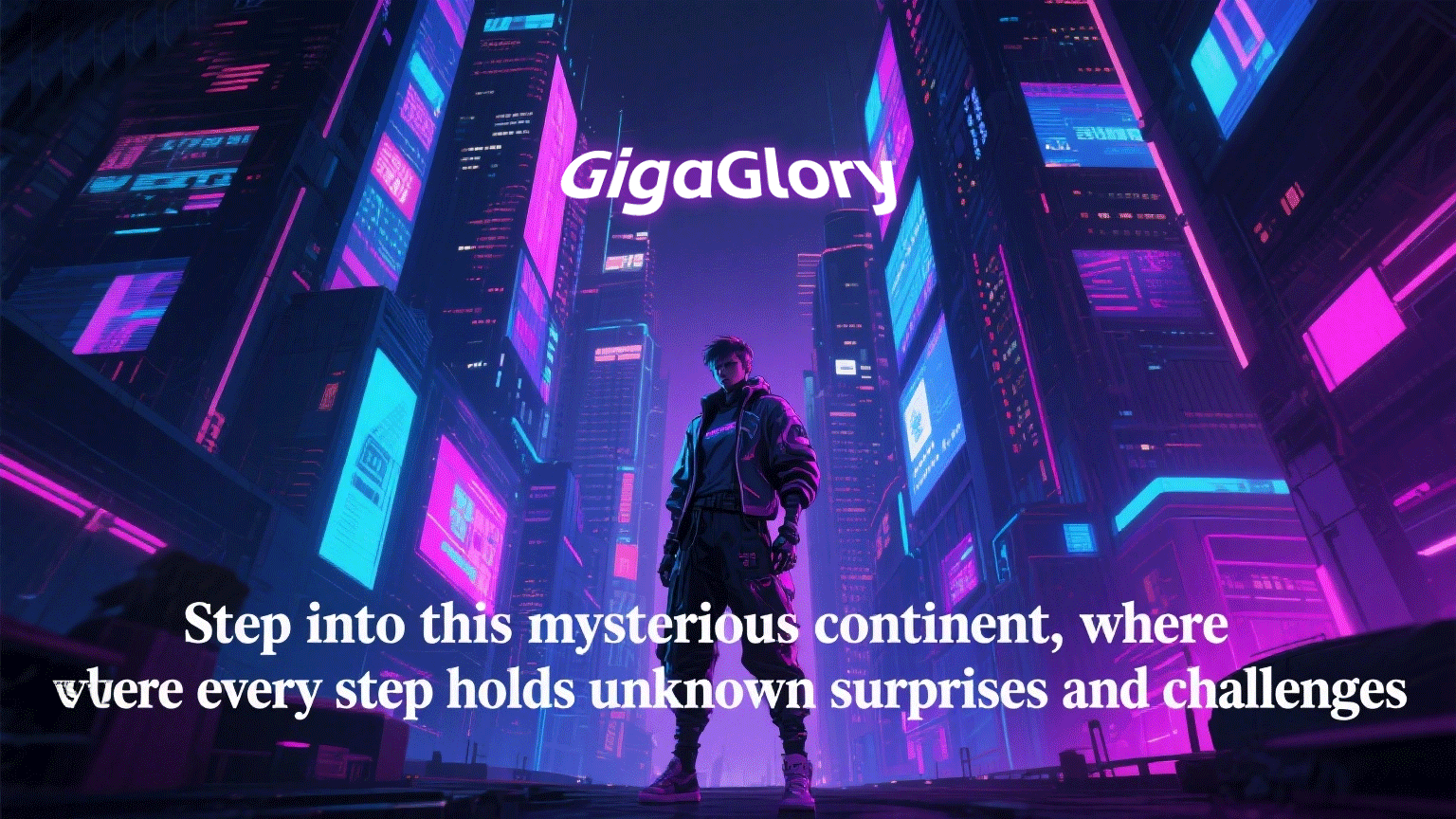
Open world RPGs often prioritize community interactions, allowing players to form friendships, join guilds, and cooperate in various endeavors. This aspect makes the gaming experience richer and more engaging.
Major Titles Shaping the Open World RPG Landscape

Several notable titles have played a pivotal role in defining the open world RPG genre:
| Game Title | Release Year | Developer | Key Features |
|---|---|---|---|
| The Elder Scrolls V: Skyrim | 2011 | Bethesda Game Studios | Dynamic NPC interactions, mod support, vast open world |
| The Witcher 3: Wild Hunt | 2015 | CD Projekt Red | Rich storytelling, branching narratives, detailed environments |
| Legend of Zelda: Breath of the Wild | 2017 | Nintendo | Exploration freedom, physics-based puzzles, player-driven storytelling |
The Impact of Open World Design on Storytelling

Open world mechanics have allowed for storytelling to evolve into a more intricate craft. Games now integrate lore seamlessly into the environment, inviting exploration and discovery.
Player Agency: A Double-Edged Sword
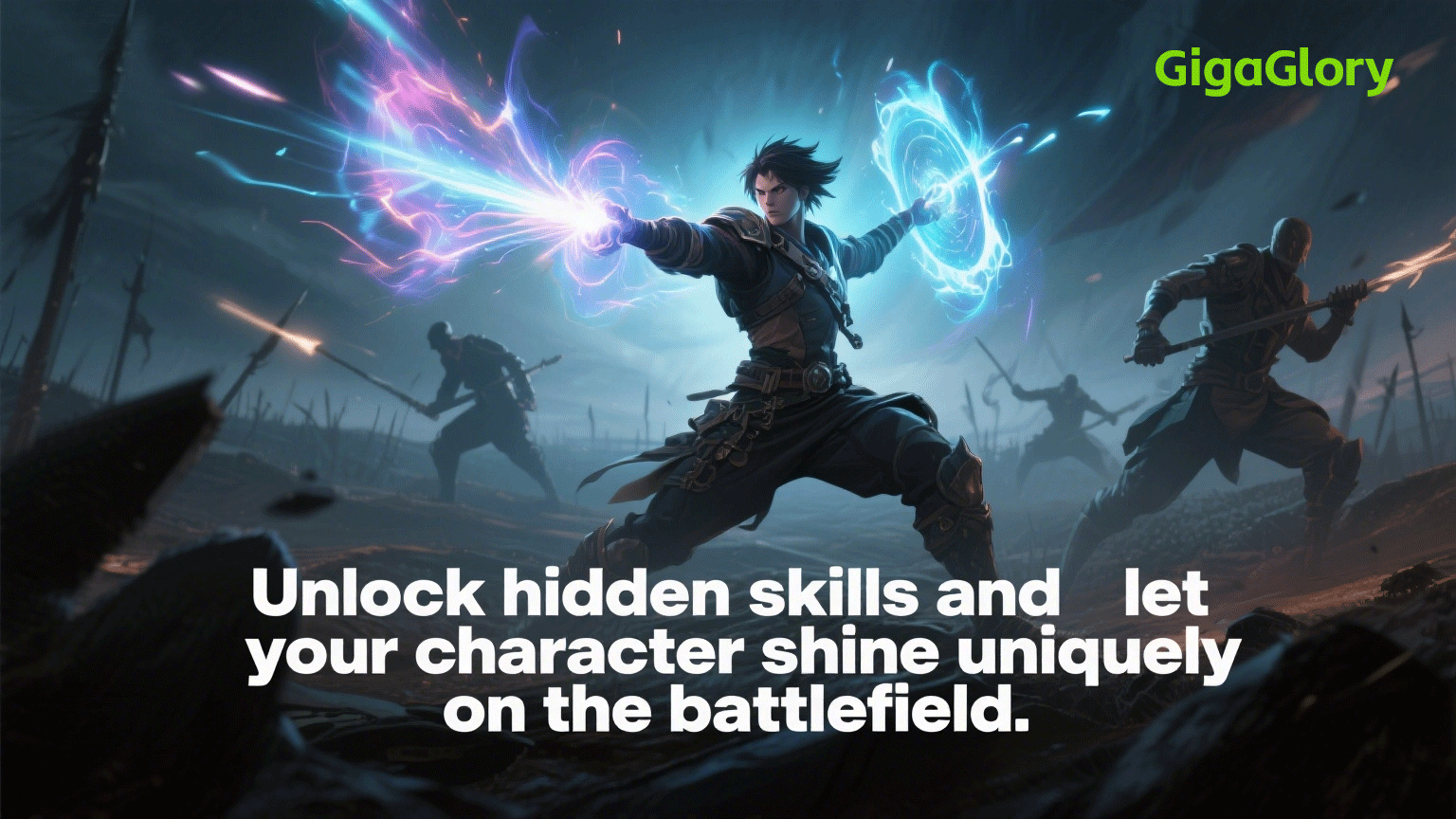
While open world design grants players immense freedom, it also presents challenges. Some players may feel overwhelmed by the choices available, which can detract from the overall experience.
Future Trends in RPG Development
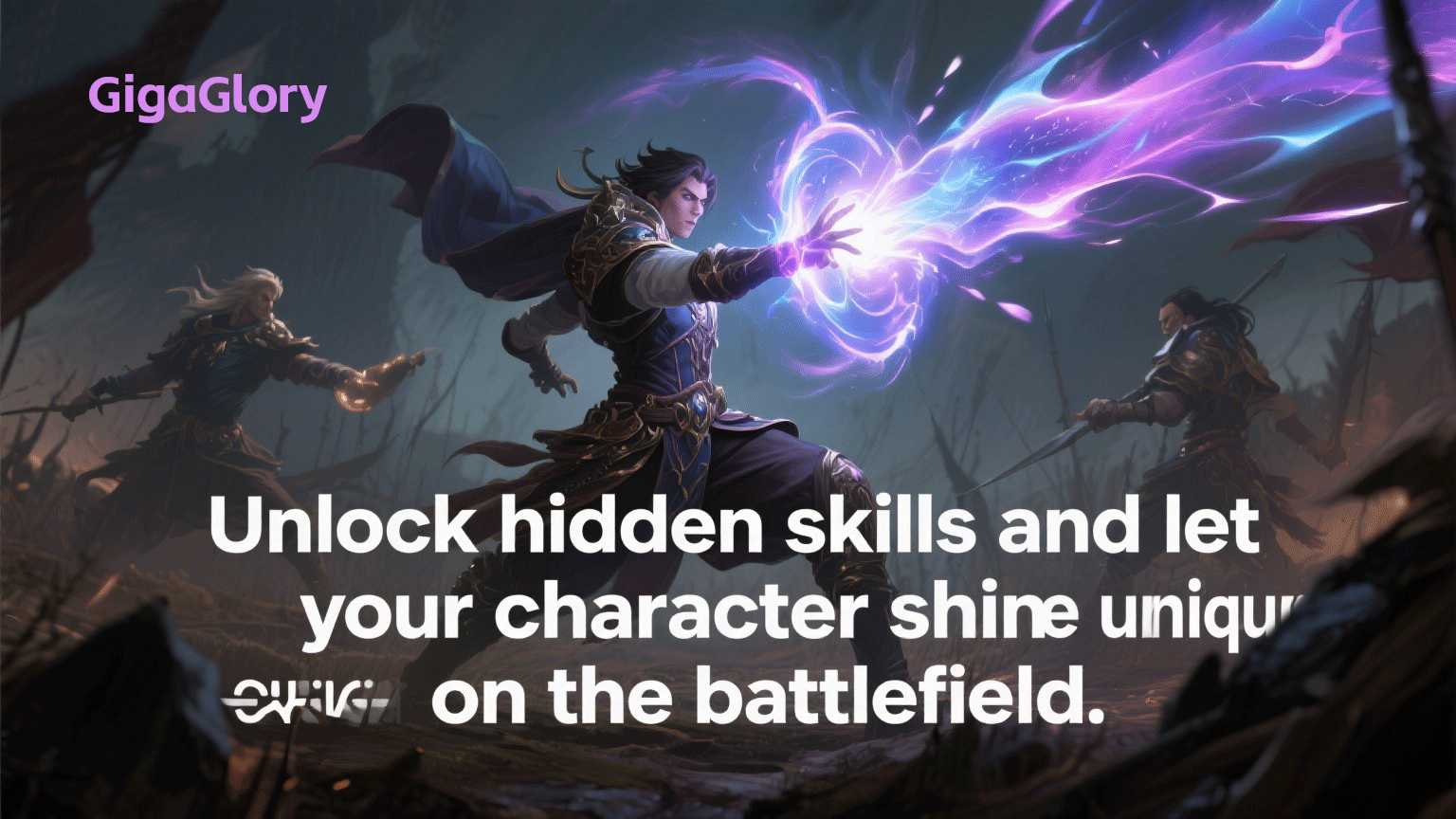
The gaming industry is shifting towards more interactive experiences, with an emphasis on player choice and consequence. Upcoming RPGs are likely to integrate more dynamic systems that respond to player actions.
Open World Games vs. Linear RPG Games

Here's a comparison to illustrate the differences:
| Aspect | Open World RPG | Linear RPG |
|---|---|---|
| Exploration | High freedom of movement | Guided pathways |
| Quests | Diverse and numerous | Focused on main narrative |
| Character Development | Customizable and varied | Pre-defined progression |
The Integration of Multiplayer Elements
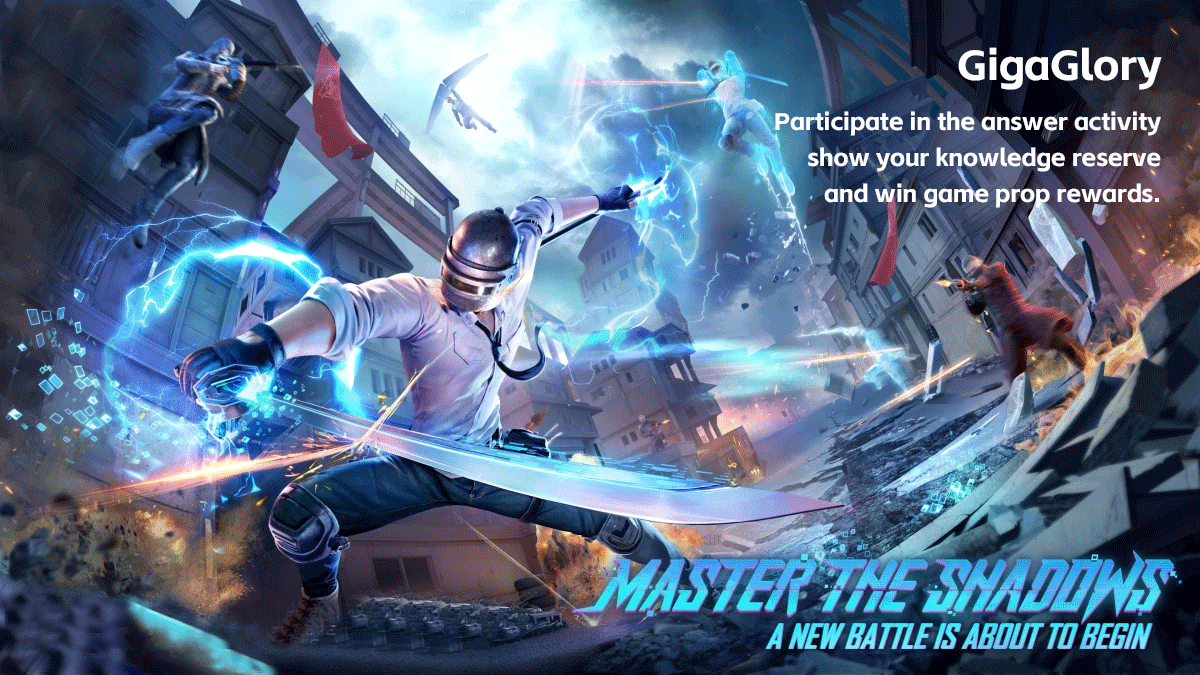
Many open world RPGs also incorporate multiplayer elements, allowing for cooperative play and shared experiences. This helps in building a community around the games.
How Mobile Games Fit into the RPG Landscape

Titles like the EA Sports FC App Store have introduced user-friendly features that attract a wider audience, bridging the gap between complex RPGs and casual gaming.
Future of RPGs: The Role of Technology
Emerging technologies such as virtual reality have the potential to further enhance RPG experiences, providing unprecedented immersion for players. As developers push boundaries, the possibilities will only expand.
Conclusion: The Road Ahead for RPGs
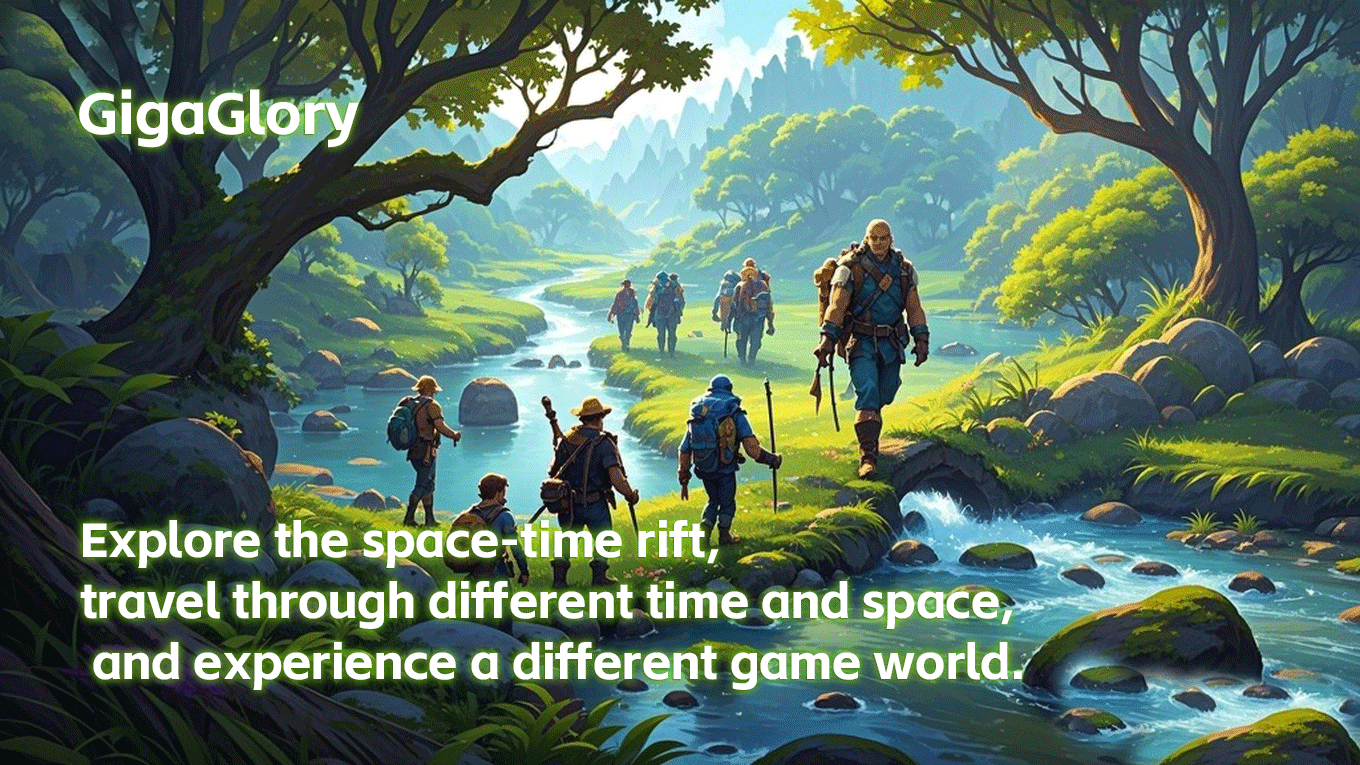
The evolution of RPGs into the open world format has redefined player engagement and enjoyment. As this genre continues to evolve, staying attuned to player feedback and technological advancements will be vital. The future looks promising for RPG enthusiasts, with innovations poised to create more immersive experiences.

Whether it’s through expansive narratives or the integration of new technologies, RPGs are an ever-evolving frontier in gaming. The journey is just beginning, and the landscape holds exciting possibilities for both developers and players alike.